When working on construction, woodworking, or home improvement tasks, accuracy is essential. One of the most commonly misunderstood markings on a tape measure is 15/16 on a tape measure. This small but significant fraction appears just before the full inch mark and often confuses beginners. Knowing where and how to read 15/16 on a tape measure ensures your cuts, fittings, and installations are precise and professional.
Moreover, understanding fractions like 15/16 on a tape measure helps avoid costly mistakes. Whether you’re building shelves, framing walls, or installing trim, even a slight misread can throw off alignment. As more people take on DIY projects, mastering these measurements becomes increasingly important. Learning to identify this mark quickly improves confidence and results.
 Why 15/16 on a Tape Measure Matters in Real-World Applications
A Key Fraction for Accuracy and Fit
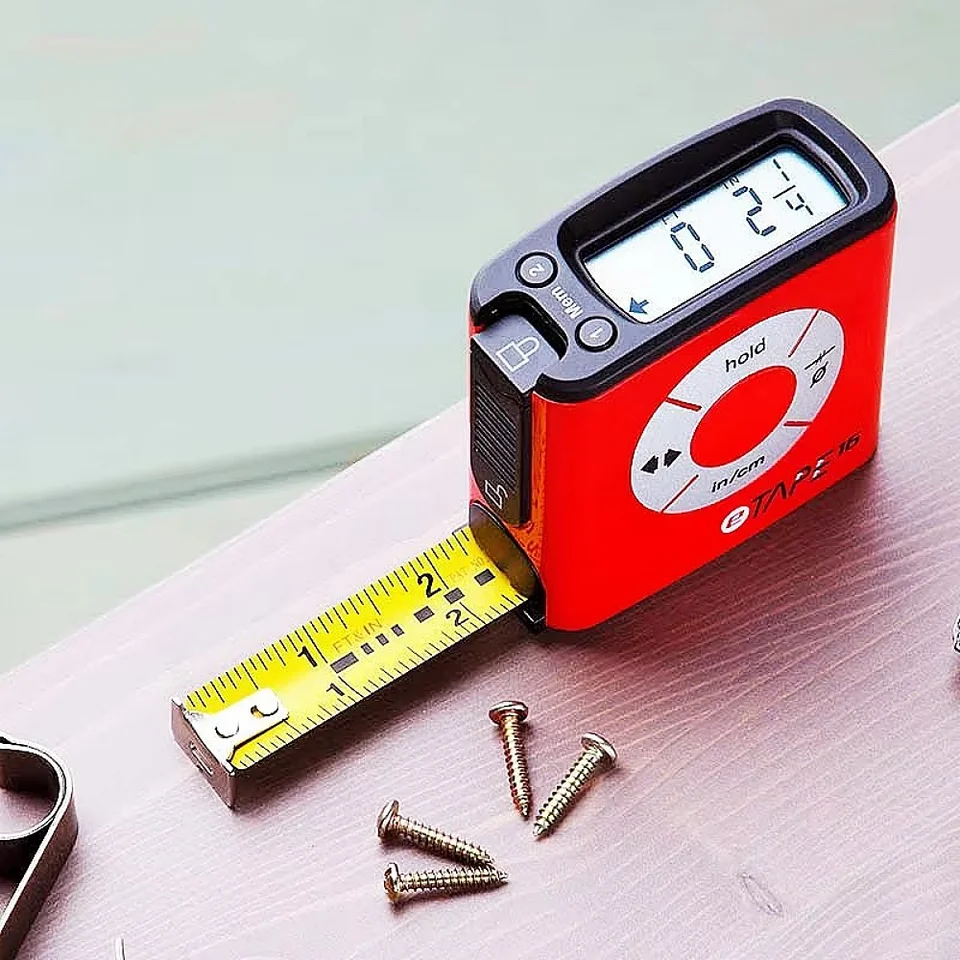
The 15/16 on a tape measure is not just another line—it’s a critical reference point. It sits only 1/16 of an inch away from the next full inch. This makes it one of the last fractional stops before reaching a whole number. For tight-fitting joints, custom cabinetry, or material spacing, hitting this exact length can mean the difference between success and rework.
Additionally, many standard materials use dimensions based on sixteenths. Plywood, lumber, and drywall often require cuts that fall between common fractions. When a project calls for “just under 1 inch,” 15/16 on a tape measure is usually the correct choice. This precision reduces gaps and improves structural integrity.
Also, professionals rely on consistent measurements. Carpenters, framers, and finishers often work with blueprints that specify sizes down to the 1/16 inch. Misreading 15/16 on a tape measure as 7/8 (which is 14/16) could cause misalignment over multiple units. Small errors multiply fast.
Furthermore, visual distinction matters. The 15/16 on a tape measure is marked by a shorter line than the inch but longer than 1/32 marks. With practice, users learn to spot it instantly. This skill develops with frequent use and attention to detail.
Finally, digital tools don’t always replace physical measuring. Batteries die. Screens fog. In contrast, a steel tape measure remains reliable. Knowing how to read 15/16 on a tape measure gives you independence from technology.
How to Locate 15/16 on Tape Measure
Step-by-Step Guide to Reading Fractions Correctly
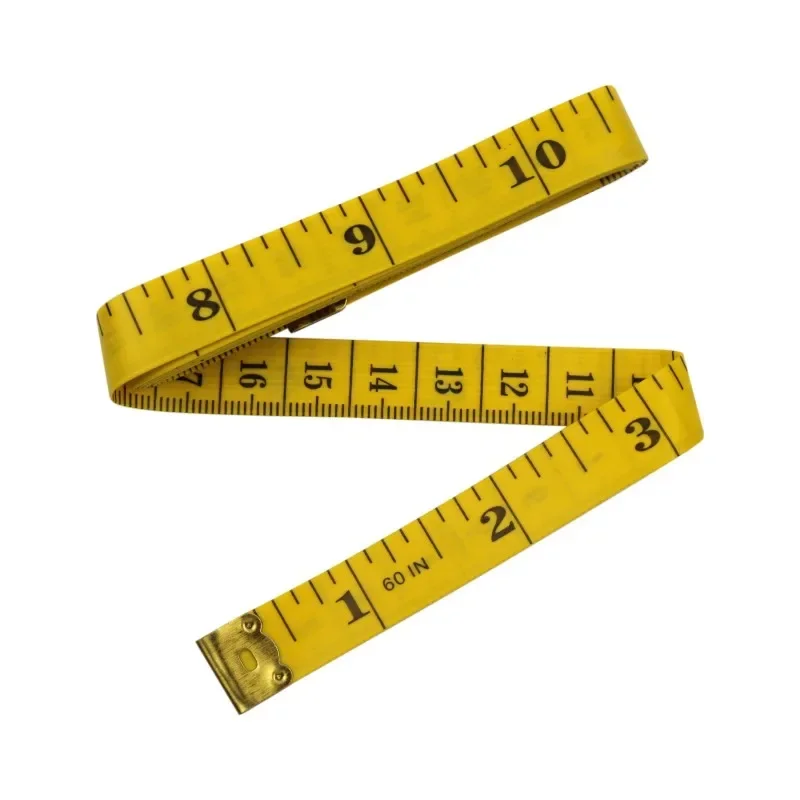
Finding 15/16 on a tape measure starts with understanding how fractions are laid out. Each inch is divided into smaller parts. On most tapes, these include halves, quarters, eighths, and sixteenths. The longest line is the inch mark. Then, the half-inch line is slightly shorter. Quarter-inch lines are shorter still. Eighths and sixteenths get progressively smaller.
To find 15/16 on a tape measure, first locate the 1-inch mark. Then, look at the series of lines leading up to it. Count backwards from the inch. The second-to-last long tick before the inch is 15/16. It is longer than the 1/32 or 1/64 lines but shorter than the inch and half-inch marks.
Another method is counting forward. Start at zero. Move past 1/16, 2/16 (1/8), 3/16, and so on. Continue until you reach the 15th sixteenth. This is 15/16 on a tape measure. Practice builds speed and accuracy.
Use a magnifying tape if needed. Some tapes have bold, easy-to-read numbers. Others feature laser-etched markings that resist fading. These help reduce eye strain during long sessions.
Hold the tape straight. Angling the tape distorts the reading. Pull it taut when measuring long distances. This avoids sagging and false values.
Compare with known objects. Test your skill using items cut to 15/16 inches. Verify your reading matches the actual size.
With repetition, recognizing 15/16 on a tape measure becomes automatic. Muscle memory takes over, making measurement faster and more reliable.
 Common Mistakes When Reading 15/16 on Tape Measure
Avoiding Errors That Lead to Costly Fixes
One of the most frequent errors is confusing 15/16 on a tape measure with 7/8. Since 7/8 equals 14/16, it comes right before 15/16. The lines are close together. Beginners may miscount and cut too short. This leads to loose fits or visible gaps in final assemblies.
Another mistake is parallax error. This happens when you view the tape from an angle. The mark appears shifted. Always look directly down at the measurement. Align your eye perpendicular to the tape edge.
Tape stretch is also a problem. Over time, cloth or fiberglass tapes can stretch. Steel tapes are more reliable. Still, drops or bends can affect calibration. Check your tool regularly.
Worn-out tapes lose clarity. Ink fades. Edges fray. Marks become blurry. Replace old tapes before starting precision work.
Some users ignore hook movement. The metal end of the tape slides slightly. This compensates for inside vs. outside measurements. Not accounting for this can add or subtract thickness unintentionally.
Lighting affects visibility. Poor light makes small lines hard to see. Use a headlamp or work near a bright window. LED task lights help in dim garages or basements.
Dirty hands smear the tape. Grease and dirt obscure markings. Clean your tape after each use. Wipe it with a dry cloth.
Always double-check. Read the measurement twice before cutting. Say the value aloud. “Fifteen sixteenths” confirms your focus.
Avoid rushing. Take your time. A few extra seconds prevent hours of correction.
 Using 15/16 on Tape Measure in Woodworking Projects
Practical Examples for Builders and Craftsmen
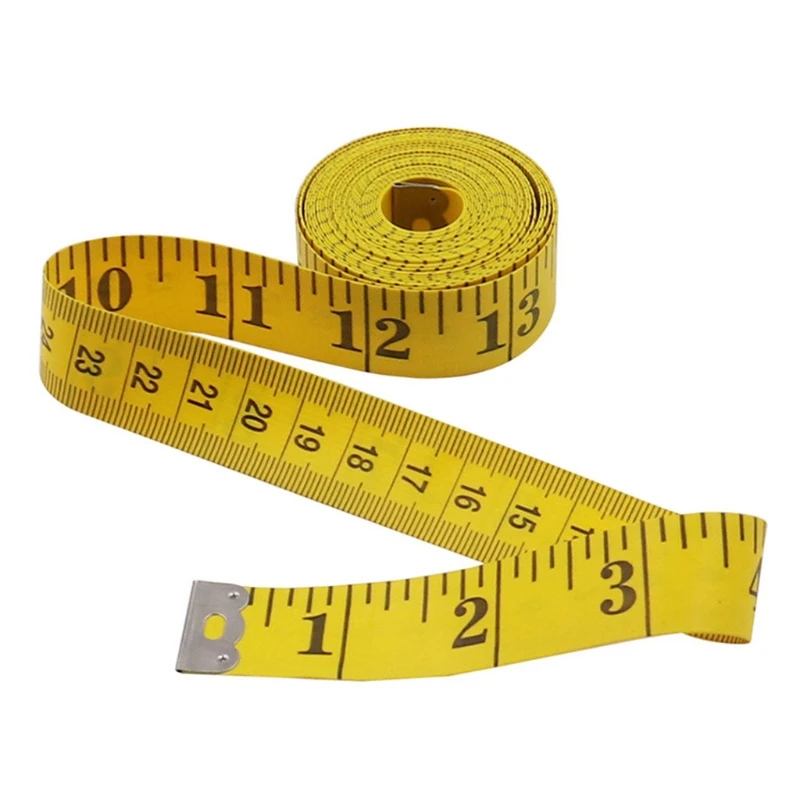
Woodworkers frequently use 15/16 on a tape measure when fitting joinery. Dado joints, rabbets, and mortises often require depth or width just shy of a full inch. Setting saws or chisels to 15/16 on a tape measure ensures snug fits without splitting wood.
For example, when installing drawer fronts, space between cabinets must be exact. If the gap is 1 inch wide, but hinges need clearance, 15/16 on a tape measure might be the ideal cut. This allows smooth operation and clean appearance.
Cabinetmakers use it for overlay doors. When a door covers part of a frame, the overlap must be consistent. Measuring to 15/16 on a tape measure maintains uniformity across all units.
Shelf pin holes benefit too. Drilling at precise intervals prevents wobbling. Marking every 15/16 inch aligns with standard hardware patterns.
Edge banding application relies on thin tolerances. Trimming excess requires fine control. Cutting at 15/16 on a tape measure leaves room for sanding flush.
When matching existing trim, old molding may be worn. New pieces must fit seamlessly. Measuring the reveal often lands at 15/16 on a tape measure due to settling or wear.
Custom picture frames use this fraction for mitered corners. Equal lengths ensure perfect joins. Miscalculating by 1/16 throws off the entire shape.
Even finish carpentry uses 15/16 on a tape measure. Baseboards, crown molding, and casing meet at angles. Measuring reveals accurately ensures tight seams.
With experience, this fraction becomes second nature. It supports both function and beauty in fine craftsmanship.
Construction Uses for 15/16 on Tape Measure
Framing, Drywall, and Flooring Applications
In construction, 15/16 on a tape measure plays a role in layout and fit. Floor joists are spaced at regular intervals. Blocking or bridging may require filler blocks cut to specific widths. When space is tight, 15/16 on a tape measure ensures the block fits snugly.
Drywall installation benefits from accurate marking. Sheets often need trimming around windows or pipes. If a stud is damaged or offset, cutting a patch to 15/16 on a tape measure provides a seamless repair.
Tile spacers sometimes use 15/16-inch guides. Though less common, some mosaic layouts use this size for balanced grout lines. Matching adjacent tiles requires precision.
Stair stringers demand high accuracy. Rise and run calculations must follow code. If the total rise doesn’t divide evenly, adjustments land on fractions like 15/16 on a tape measure. This keeps each step uniform.
Window and door rough openings leave room for shims. If the jamb is 1/16 thinner than expected, adjusting the opening to 15/16 on a tape measure accommodates variation.
Roofing underlayment overlaps must meet code. Some specifications call for 15/16-inch shingle exposure. Measuring correctly ensures weather protection and visual alignment.
Metal studs used in commercial walls come in standard gauges. When adding bracing, cross furring may be set at 15/16 on a tape measure to match track systems.
Even plumbing and electrical trades use this measurement. Outlet boxes may need adjustment within wall cavities. Measuring to 15/16 on a tape measure centers them properly.
Overall, this fraction supports coordination across trades. It promotes consistency and professionalism on job sites.
Teaching Others to Read 15/16 on Tape Measure
Tips for Mentors, Teachers, and DIY Enthusiasts
If you’re teaching someone how to build, start with the basics. Show them the inch, then half, quarter, and eighth. Build up to sixteenths gradually. Introduce 15/16 on a tape measure as the final step before the next inch.
Use real-life examples. Have them measure scrap wood. Ask them to mark and cut at 15/16 on a tape measure. Then check their work with a caliper.
Make flashcards. Draw tape measure sections. Label some with “15/16.” Let learners identify them quickly. Turn it into a timed game.
Encourage questions. Many hesitate to ask. Create a safe environment. Reinforce that everyone learns at their own pace.
Use color coding. Highlight the 15/16 on a tape measure line with a red marker. This draws attention. Remove it later as confidence grows.
Practice daily. Spend five minutes reading fractions. Repetition strengthens recognition. Include other fractions to avoid over-reliance.
Leverage apps and videos. Some digital tools simulate tape measures. They allow zoom and pause. These support learning outside the workshop.
Praise effort, not just accuracy. Confidence builds through encouragement. Celebrate progress no matter how small.
Finally, lead by example. Demonstrate calm, careful measuring. Your habits influence others more than words.
 Frequently Asked Questions About 15/16 on Tape Measure
Clear Answers to Common User Concerns
Is 15/16 the same as 0.9375 inches? Yes. Converting fractions shows 15 ÷ 16 = 0.9375. This is useful when switching between decimal and imperial systems.
Can I use metric instead? You can. 15/16 inch equals about 23.81 mm. However, most U.S. tapes use imperial units. Learn both for flexibility.
How do I remember which line is 15/16? Look for the second-longest line before the inch. It’s shorter than 7/8 but longer than 1/32.
Do all tapes show 16ths? Most do. Cheaper tapes may skip 1/32 or 1/64. Always verify scale markings before relying on them.
What if my tape is bent? Replace it. A bent hook or crimped blade gives false readings. Accuracy depends on a straight tool.
Can I trust retractable tapes? Yes, if well-maintained. Lock the blade when measuring. Avoid letting it snap back violently.
Should I use a ruler instead? Rulers are good for short spans. Tapes are better for longer runs. Both are valuable tools.
Where can I buy high-quality tapes? Hardware stores, online retailers, and specialty tool shops carry reliable brands.
 Final Thoughts on Mastering 15/16 on Tape Measure
Understanding 15/16 on a tape measure is more than memorizing a line. It represents a commitment to precision, safety, and quality. Whether you’re a beginner or experienced builder, knowing this mark improves your results.
As DIY culture grows, so does the need for clear, practical guidance. The ability to read fractions accurately sets skilled workers apart. It enables clean finishes, strong structures, and professional outcomes.
Let 15/16 on a tape measure be a symbol of attention to detail. Use it as a reminder that small things matter. In construction and life, precision pays off.
Master it. Teach it. Apply it. Your projects will reflect the care you put into every measurement.