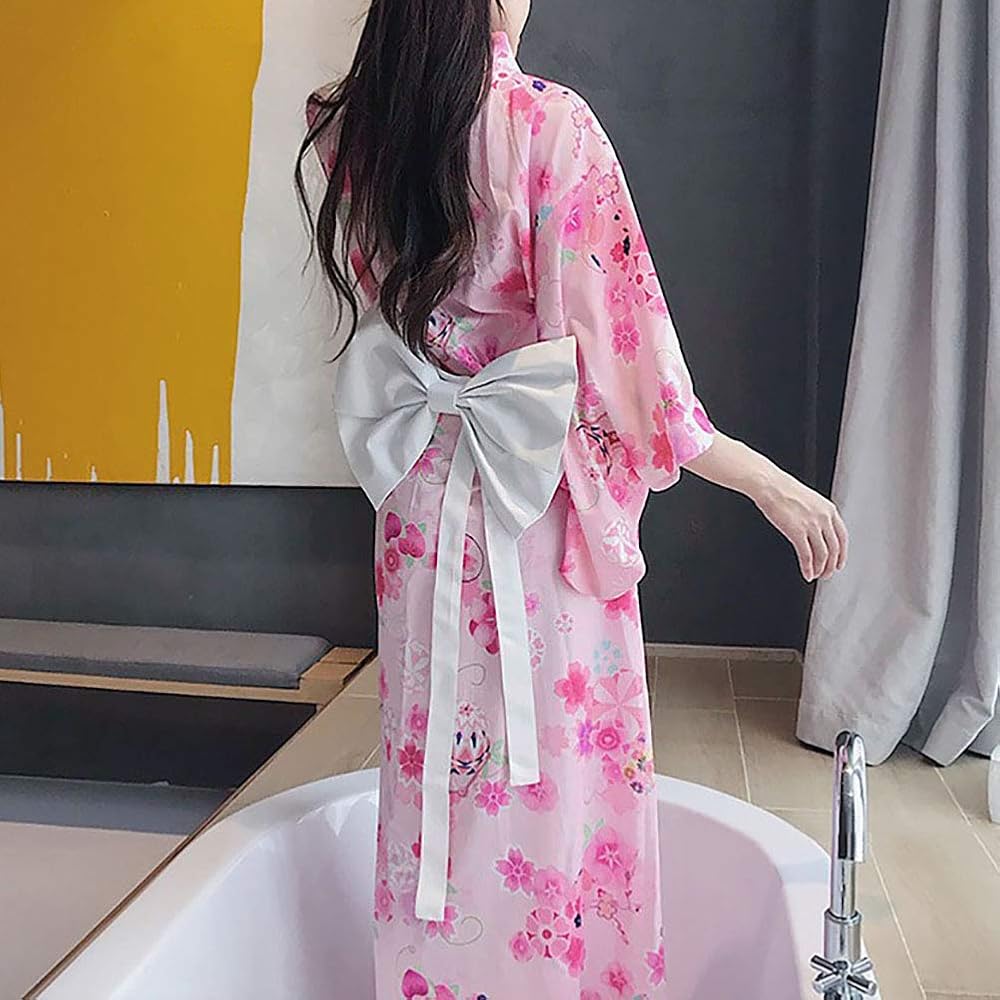
The kimono dress has become a beloved fashion staple for women around the world. This graceful garment blends traditional Japanese design with modern wearability. It features wide sleeves, a flowing silhouette, and an open front that often ties at the waist. As a result, it offers both comfort and elegance in one versatile piece. Whether worn casually or styled for special events, the kimono dress suits many occasions. Its loose fit flatters various body types. In addition, its breathable fabrics make it ideal for warm weather.
Moreover, the popularity of the kimono dress continues to grow across fashion markets. Designers incorporate it into resort wear, bohemian looks, and even office-appropriate outfits. It pairs well with jeans, shorts, swimwear, or evening gowns. Because of this adaptability, understanding the different styles and uses of the kimono dress helps shoppers make informed choices.
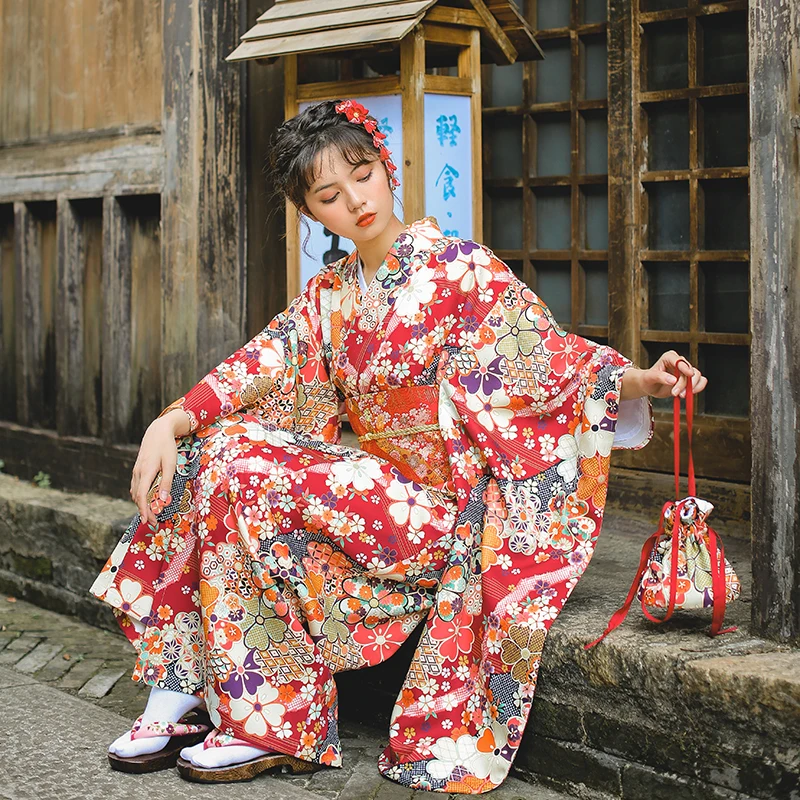 Why the Kimono Japanese Dress Appeals to Modern Wearers
Balancing Fashion, Function, and Freedom
One reason the kimono dress remains popular is its unmatched comfort. Unlike tight-fitting garments, it drapes loosely over the body. This allows full freedom of movement. Women wear it during travel, walks, or outdoor festivals without restriction. At the same time, it provides coverage when needed.
Additionally, the kimono dress supports effortless styling. Throw it on over a tank top and leggings for quick errands. Layer it over a bikini at the beach for a chic cover-up. These simple combinations save time while looking polished.
Its lightweight nature enhances portability. Most versions fold small and pack easily. Travelers appreciate how little space they take. They don’t wrinkle severely, which reduces post-trip ironing.
Another appeal lies in cultural appreciation. While inspired by Japan’s traditional kimono, today’s versions are adapted for global tastes. They honor heritage while embracing inclusivity. Many brands ensure respectful design practices.
Breathable materials like cotton, rayon, and chiffon keep wearers cool. These fabrics allow air circulation. This feature increases comfort in humid climates.
Moreover, the kimono dress works for all ages. Teens enjoy bold prints. Mature women prefer solid tones or floral patterns. Each style expresses individuality.
Ultimately, the kimono dress combines beauty, ease, and versatility.
Types of Kimono Japanese Dresses Based on Fabric and Design
Matching Material to Season and Occasion
Not all kimono dresses are created equal. Each type serves a unique purpose based on fabric and cut. Chiffon versions offer sheer elegance. They float gently in the breeze. Ideal for weddings, garden parties, or photo shoots. Pair them with a slip dress underneath for modesty.
Cotton kimono dresses provide structure and breathability. They absorb moisture and dry quickly. Perfect for daytime use or casual outings. Solid colors suit work environments. Bright prints match summer vibes.
Lace-trimmed styles add romance. Often used as bridal accessories or honeymoon wear. Delicate stitching gives a feminine touch. These suit intimate dinners or anniversary celebrations.
Silk kimono dresses deliver luxury and smooth texture. They drape beautifully and feel soft against the skin. However, they require hand washing or dry cleaning. Best reserved for special moments.
Knit versions act like cardigans. Stretchy material conforms slightly to the body. Great for cooler days or indoor settings. Some include pockets for utility.
Longline designs reach mid-calf or ankle. These create dramatic silhouettes. Flowy cuts enhance movement. Shorter lengths fall at the hips. They work well with high-waisted pants.
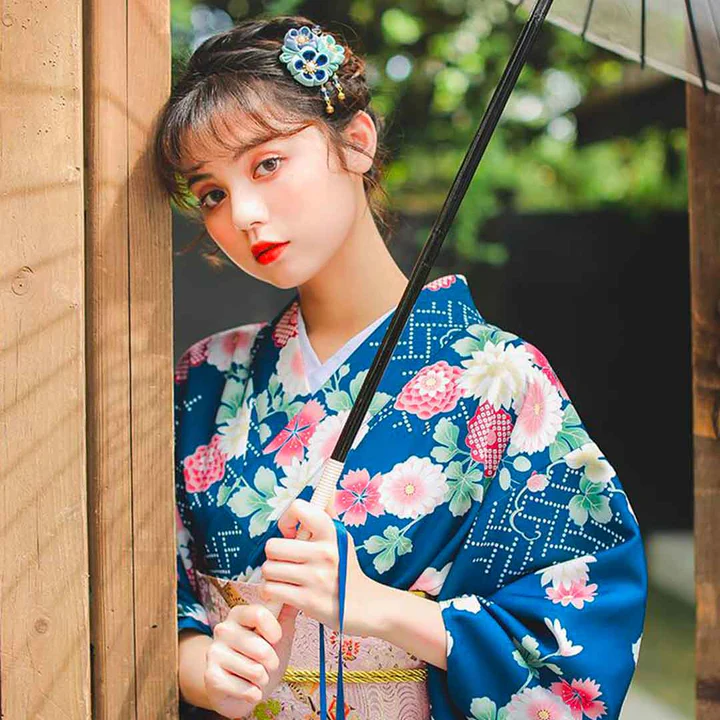
Prints vary widely. Florals remain classic. Geometric shapes reflect modern trends. Animal prints bring bold energy. Choose based on personal taste and outfit goals.
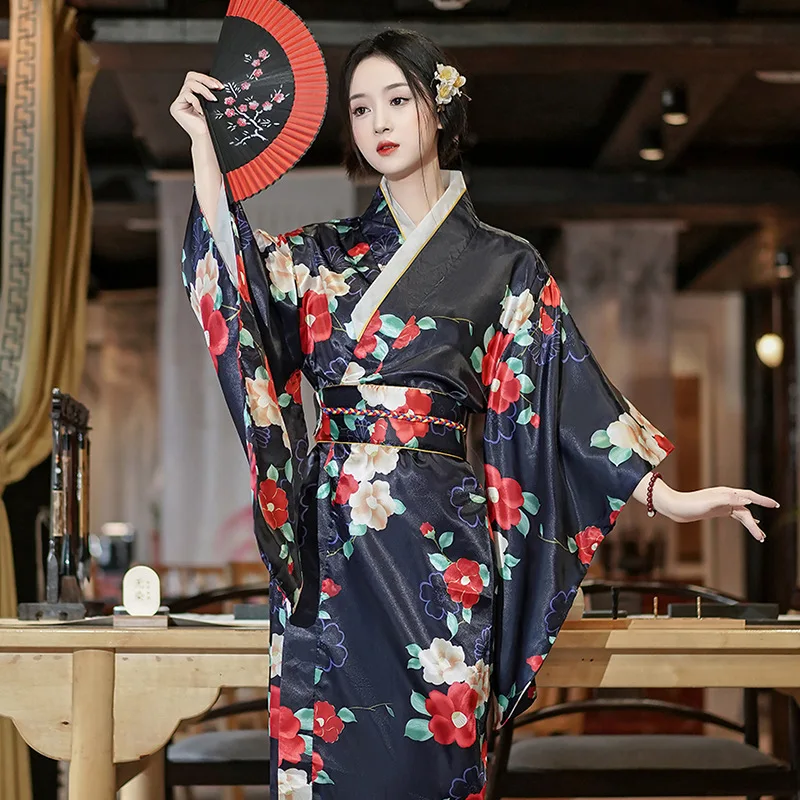 Styling Tips for Wearing a Kimono Japanese Dress
Creating Looks for Day, Night, and Everything In Between
Styling a kimono dress depends on your environment and mood. For daytime, pair it with denim cutoffs and sandals. Add a straw hat and sunglasses. This combination radiates vacation energy. Use bright colors to stand out.
At night, go for sophistication. Wear a black or navy kimono dress over a sleek camisole. Match it with heels and statement earrings. A clutch completes the look. This style works for dinner or cocktail hours.
For layering, place it under a belt. Cinch it at the waist to define your shape. This trick breaks up long lines. It adds polish to otherwise loose fits.
Beachwear becomes elevated with a sheer kimono dress. Drape it over a swimsuit. Let it flow behind you as you walk. Choose tropical prints like hibiscus or palm leaves.
In professional settings, select structured fabrics. A tailored cotton version with minimal print can pass as outerwear. Wear it over a blouse and pencil skirt. Keep jewelry subtle.
Festivals welcome creativity. Mix patterns and textures. Combine with fringe bags and layered necklaces. Let the kimono dress be the centerpiece.
Children also enjoy mini versions. Soft cotton ones in fun prints suit playdates. Parents love how easy they are to put on.
Where to Buy Quality Kimono Japanese Dresses
Trusted Retailers and What to Look For
Finding authentic and stylish kimono dresses starts with reliable sellers. Amazon offers fast shipping and variety. Read reviews carefully. Check buyer photos to see real color and drape. Filter by size, price, and customer rating.
Etsy hosts handmade and custom options. Independent designers create unique pieces. You can request specific lengths or sleeve widths. Personalized embroidery adds charm. These make excellent gifts.
Department stores like Nordstrom, Macy’s, and Kohl’s carry seasonal collections. Their online filters help narrow results. Look for sales during holidays or end-of-season events.
Specialty boutiques such as Free People or Anthropologie focus on boho-chic fashion. Their kimono dresses often feature intricate details. Expect lace edges, tassels, or embroidery. Prices may be higher but quality matches.
Instagram shops showcase live try-ons. Creators model how the dress moves. Direct messaging allows questions before purchase. Verify legitimacy first.
Avoid third-party sites with no return policy. Fake listings use stock images. Always check seller ratings and contact info.
Compare prices across platforms. Sign up for newsletters. Brands often send discount codes or early access to new drops.
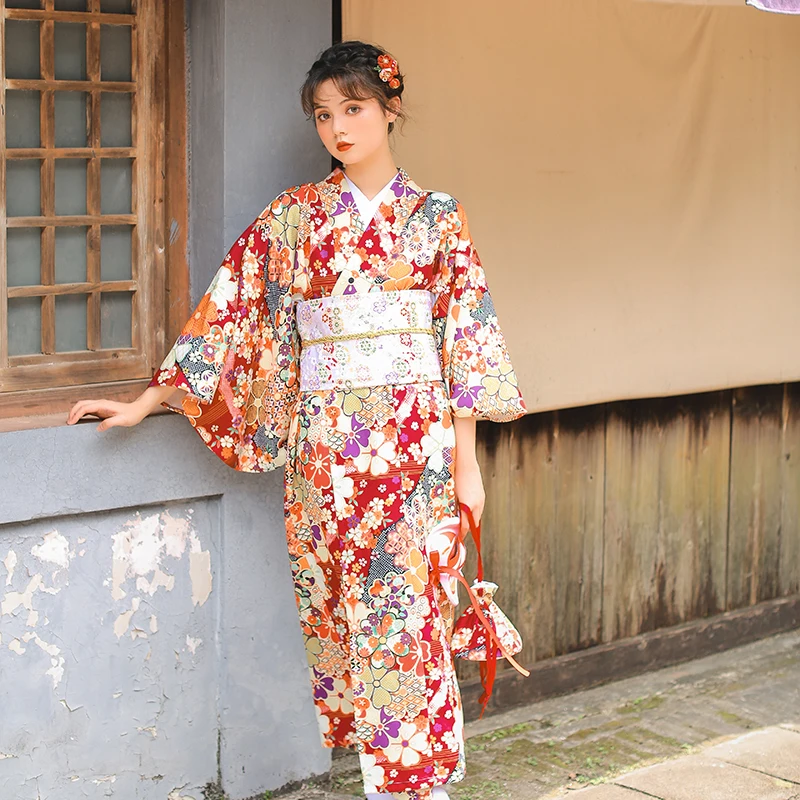 Caring for Your Kimono Japanese Dresses
Simple Maintenance for Long-Lasting Beauty
Proper care keeps your kimono dress looking fresh. First, read the label. Follow washing instructions closely. Cotton and polyester blends often tolerate machine washing. Use cold water and gentle cycle.
Turn delicate fabrics inside out. Place them in a mesh laundry bag. This prevents snagging. Avoid harsh detergents. Mild formulas protect fibers better.
Hand wash silk, lace, or chiffon versions. Fill a basin with cool water and gentle soap. Gently swirl the dress. Do not twist or wring. Press out excess water with a towel.
Dry flat whenever possible. Hang drying stretches shoulder seams. Lay on a clean surface away from sunlight. Heat causes fading.
Iron only if necessary. Use low heat and steam setting. Place a cloth between the iron and fabric. This avoids shine marks or melting.
Store folded in drawers. Hanging may deform the shoulders. Use acid-free tissue paper to prevent creases.
Remove stains immediately. Blot with a damp cloth. Test stain removers on hidden areas first.
Rotate usage among multiple dresses. This reduces wear on any single one. With consistent care, your kimono dress lasts through seasons.
 Frequently Asked Questions About Kimono Japanese Dresses
Common Concerns and Helpful Answers
Can men wear kimono dresses? Yes. Gender-neutral styles exist. Minimalist cuts in dark colors suit modern streetwear.
Are they suitable for formal events? Absolutely. Silk or satin versions work well. Pair with elegant shoes and jewelry.
Do they shrink after washing? Some do, especially cotton. Always follow care labels. Cold wash and air dry prevent most shrinkage.
Can I wear one to work? If workplace dress code allows. Choose solid colors and closed fronts. Avoid sheer fabrics.
How do I choose the right size? Measure bust and hips. Compare to brand charts. Oversized fits are common.
What shoes go well with kimono dresses? Sandals, flats, or wedges. Heels elevate formal styles. Boots work in cooler months.
Are they appropriate for winter? Only with layers. Wear over sweaters or turtlenecks. Choose knit or heavy cotton versions.
 Final Thoughts on Embracing the Kimono Japanese Dress
Making a Confident Choice for Style and Comfort
The kimono dress is more than just clothing—it’s a celebration of grace, culture, and self-expression. From beach cover-ups to evening ensembles, it adapts effortlessly. Its blend of tradition and modern flair makes it timeless. With proper selection and care, it becomes a lasting favorite.
Whether you seek comfort, elegance, or cultural connection, the kimono dress delivers. It suits diverse lifestyles and preferences. So explore styles, find your fit, and wear it proudly. Ultimately, the kimono dress is not just a fashion item—it’s a symbol of confidence and beauty.