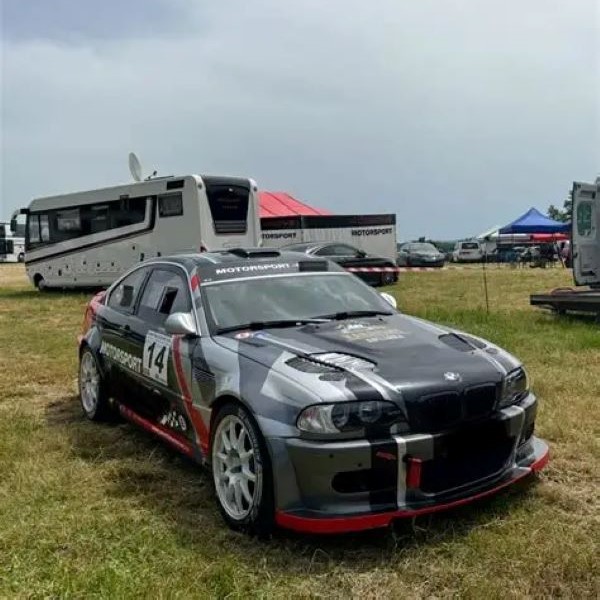
The BMW E46 is widely known as one of the most balanced and driver-focused sedans ever built. Originally designed for street performance and touring comfort, it has found a thrilling second life as an E46 rally car. Enthusiasts around the world have transformed this elegant German machine into a rugged off-road competitor. With upgraded suspensions, roll cages, and all-wheel drive conversions, the E46 now races through forests, mud, and snow with confidence.
Moreover, the E46 rally car stands out in grassroots motorsport circles. It combines modern engineering with classic driving dynamics. Unlike purpose-built rally machines, it offers a unique challenge and charm. Drivers praise its responsive steering, low center of gravity, and strong chassis rigidity. As a result, it’s become a favorite in amateur rally series and time-speed-distance (TSD) events.
 Why the E46 Is a Great Platform for Rally Conversion
Strong Chassis, Lightweight Design, and Tuner-Friendly Layout
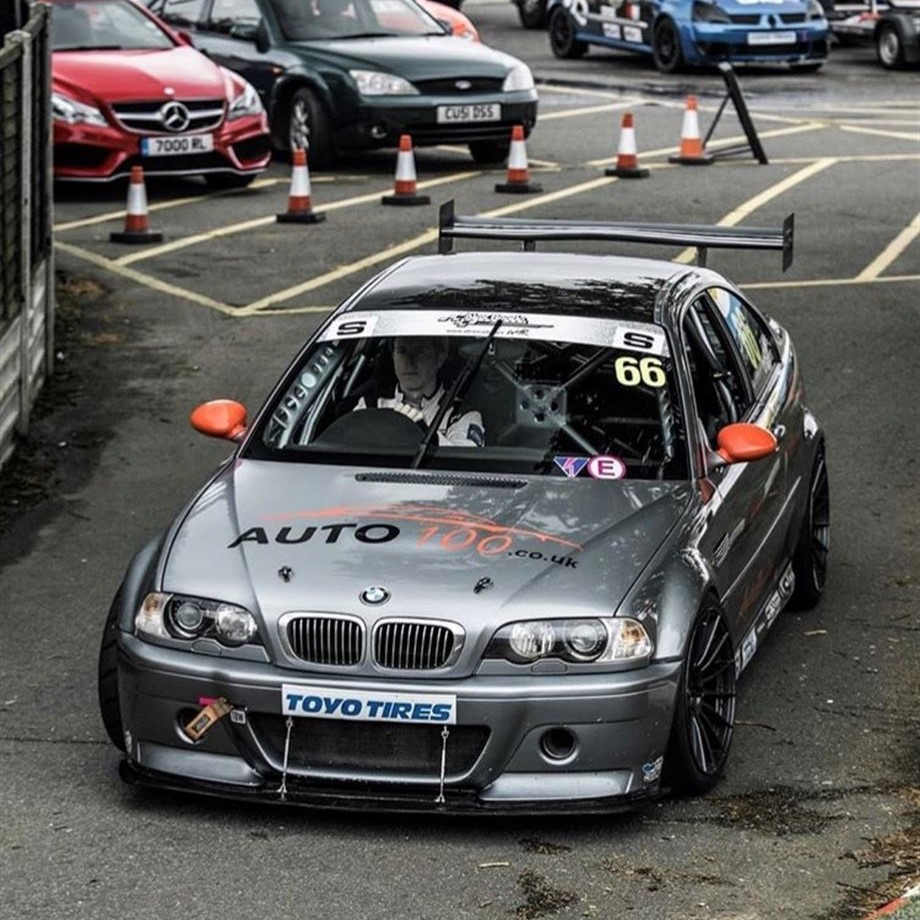
One of the main reasons the E46 rally car performs so well is its factory foundation. The unmodified E46 already features a near 50/50 weight distribution. This balance improves traction and handling on loose surfaces. When converted for rallying, that stability becomes even more valuable.
Additionally, the body structure resists twisting forces. Even after cutting windows or installing a cage, the frame remains solid. This gives drivers predictable feedback during high-speed corners. Suspension upgrades also bolt in easily. Most parts use standard metric sizes. This simplifies maintenance in remote service zones.
The engine bay is roomy and accessible. Mechanics can install intercoolers, oil catch cans, and auxiliary gauges without major modifications. Cooling systems remain efficient even under long stages. Because of these traits, the E46 rally car appeals to both DIY builders and professional teams.
Essential Modifications
Suspension, Drivetrain, Safety, and Body Reinforcements
Turning a street E46 into a true E46 rally car requires several key upgrades. First, the suspension must handle rough terrain. Most builds use long-travel coilovers with remote reservoirs. These absorb big hits from rocks and potholes. Adjustable dampers let drivers fine-tune response based on surface type.
Next, the drivetrain needs improvement. While stock E46 models are rear-wheel drive, many rally versions convert to all-wheel drive. Systems like the Quaife ATB differential or full AWD kits from third-party vendors improve grip. Some racers keep RWD for simplicity and lower cost.
Safety comes next. Install a full FIA-approved roll cage. Use 4130 chromoly steel for strength and lightness. Add racing seats, harnesses, and a fire suppression system. These protect the crew during impacts or rollovers.
Finally, reinforce the body. Fit flared fenders to cover wider tires. Add skid plates under the oil pan and transmission. Remove unnecessary interior parts to save weight. Together, these changes turn a luxury sedan into a capable E46 rally car.
 Engine Upgrades for Reliable Rally Performance
Durability, Power Output, and Cooling Enhancements
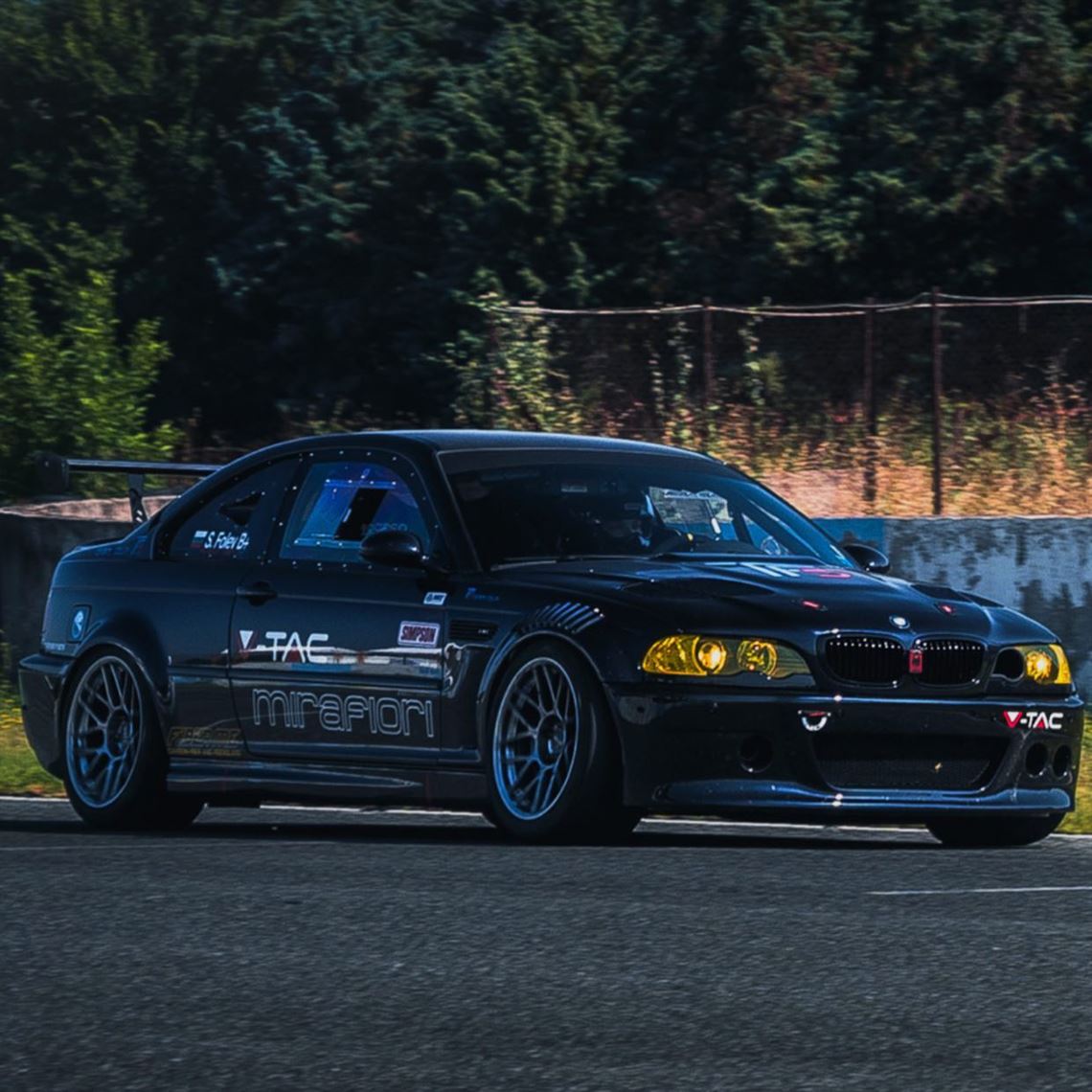
A reliable engine is critical in any E46 rally car. Most competitors start with the M54 or S54 engines. Both are known for smooth power delivery and tuning potential. However, they need reinforcement for off-road stress.
First, upgrade internal components. Install forged pistons and connecting rods. These resist detonation under boost or high RPM. Replace the head gasket with a multi-layer steel version. This prevents leaks when engine temperatures rise.
Add a front-mount intercooler if running forced induction. Turbocharged or supercharged setups produce more torque. This helps accelerate out of slow corners. Always pair power gains with proper fuel management. Use high-flow injectors and a tuned ECU for accuracy.
Cooling is just as important. Fit a larger radiator with electric fans. Upgrade hoses and clamps to silicone versions. They resist cracking from vibration. Oil coolers and transmission coolers reduce wear during long stages. With smart tuning, the E46 rally car delivers consistent power mile after mile.
Transmission and Driveline Considerations
Gearbox Strength, Shifting Speed, and Traction Control
In rally driving, gear selection happens fast. That means the transmission must shift quickly and survive punishment. Most E46 rally car builds retain the ZF or Getrag manual gearbox. These units are strong but benefit from upgrades.
Install short-shift kits for faster throws. Replace synchros with aftermarket versions. This reduces missed shifts on bumpy roads. Some teams swap in dog-ring gearboxes for instant engagement. These require double-clutching but offer unmatched reliability.
Use a limited-slip differential (LSD). This sends power to both wheels when one loses grip. Mechanical LSDs work best in gravel conditions. They don’t rely on electronics or sensors.
For added control, some racers install paddle shifters with sequential gearboxes. Others stick with traditional H-patterns for simplicity. Either way, the driveline must transfer power smoothly. Clutches should be high-capacity. Dual-mass flywheels often get replaced with lighter single-mass units. These reduce rotational mass and improve throttle response.
Aerodynamics and Weight Distribution
Handling Balance, Airflow Management, and Lightweight Materials
Though not originally designed for off-road aerodynamics, the E46 rally car benefits from smart airflow management. The stock shape cuts through air efficiently. However, rally stages demand downforce and cooling.
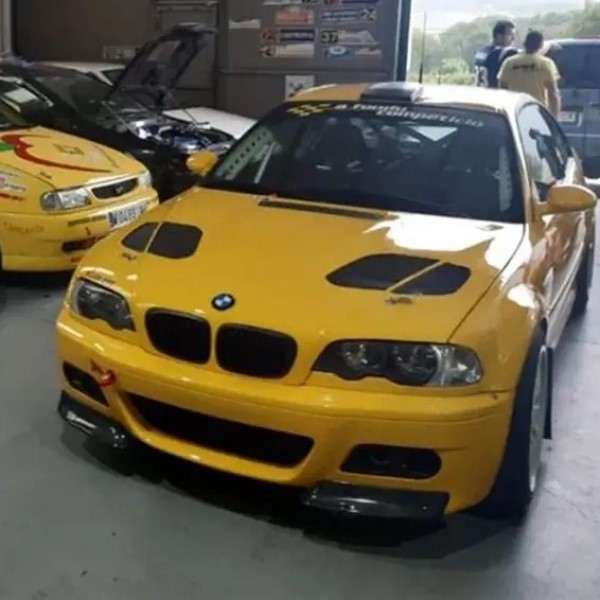
Most builds add roof scoops for cabin ventilation. Hood vents help release engine heat. Front splitters direct airflow around the wheels. These reduce turbulence and lift. Rear spoilers increase rear-end grip during corner exits.
Weight reduction plays a huge role. Remove sound deadening, carpets, and rear seats. Replace glass with polycarbonate. Use aluminum or carbon fiber for hoods and trunk lids. Every pound saved improves agility.
Balance remains crucial. Even with added parts, aim to keep the 50/50 weight split. Place batteries and ballast strategically. Test handling on different surfaces. Adjust spring rates and sway bars accordingly. A well-balanced E46 rally car sticks to the road with precision.
 Real-World Use: Competing with an E46 Rally Car
Entry-Level Racing, TSD Events, and Regional Series
The E46 rally car thrives in amateur and semi-professional circuits. Many owners enter regional rallies organized by clubs like NASA Rally Sport or SCCA ProRally. These events include stage rallies and navigation-based challenges.
Some focus on time-speed-distance (TSD) formats. Here, consistency matters more than speed. The E46’s smooth throttle response and steady handling shine. Crews navigate backroads using pace notes and odometers. Points are lost for early or late arrivals.
Other teams compete in full-on stage rallies. Cars race against the clock on closed dirt roads. Stages range from 2 to 15 miles. Service parks allow repairs between runs. The E46 holds its own against dedicated rally platforms. Its durability and spare parts availability make it a smart choice.
Even vintage rallies accept modified E46s. Events like the Silver State Classic or Colorado Grand welcome retro-modern builds. These mix nostalgia with real competition. For drivers who love mechanical feedback, the E46 rally car delivers pure joy.
Where to Source Parts and Expertise for Your Build
Online Communities, Specialist Shops, and Forums
Building an E46 rally car takes research and support. Start with online forums like Bimmerforums, Reddit’s r/Rally, or the E46 Fanatics community. Members share build logs, vendor reviews, and troubleshooting tips. Many post video updates during their projects.
Specialty shops sell rally-specific parts. Companies like Turner Motorsport, ECS Tuning, and Bavarian Autosport carry suspension, brake, and cooling components. For cages and safety gear, check Simpson, Sparco, or OMP.
Fabricators can help with custom work. Need a fuel cell mount or AWD conversion? Search for local shops with motorsport experience. Many offer welding, fabrication, and alignment services.
Join Facebook groups focused on BMW rally builds. Owners post photos, part numbers, and event results. You’ll find inspiration and honest advice. With growing interest, the E46 rally car scene continues to expand.
 Frequently Asked Questions
Common Concerns Answered Clearly
Can a stock E46 be used for rallying?
Yes, for beginner events. But it needs basic safety mods like a cage and harnesses.
Is all-wheel drive necessary?
Not always. Many successful E46 rally cars use rear-wheel drive with good tires.
How much does a full build cost?
Expect 15,000–35,000 depending on specs. Budget builds start lower.
Are OEM parts easy to find?
Yes. The E46 is common. Junkyards and online sellers have plenty available.
Can I drive my E46 rally car on the street?
Some do. But stripped interiors and loud exhausts make daily use impractical.
What class does the E46 compete in?
Usually Production or Open classes. Check rules with your sanctioning body.
 Final Thoughts
A Modern Classic Reborn for Adventure
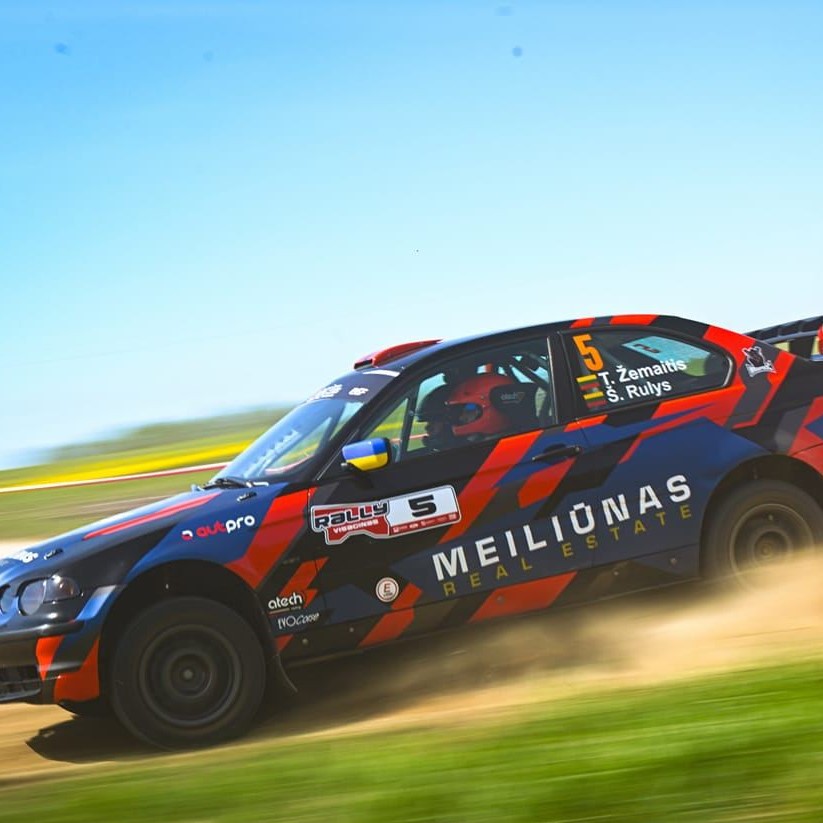
The E46 rally car proves that passion can reinvent even the most unlikely machines. What began as a refined sports sedan now charges through mud and snow with purpose. It represents creativity, skill, and a deep love for driving.
With strong support, proven performance, and a loyal community, this platform will continue to grow in popularity. Whether you’re building for fun or aiming for podium finishes, the E46 rally car offers excitement at every turn.